



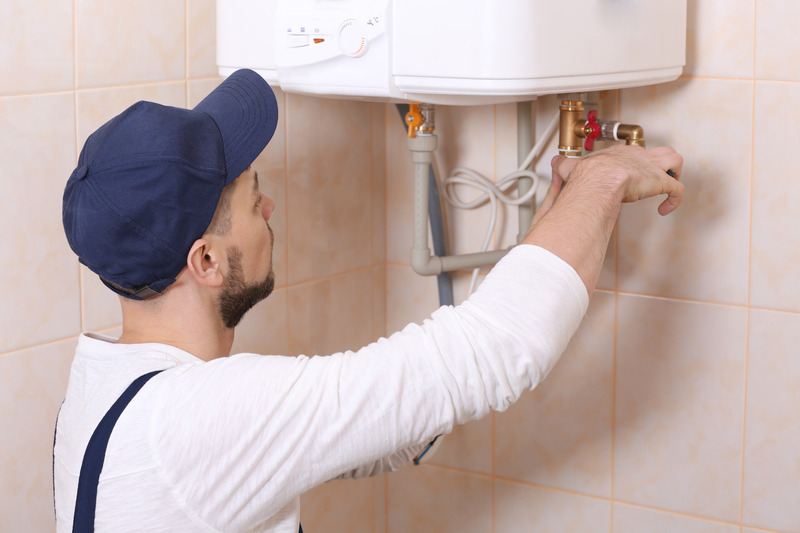
If the tank in your garage snaps and groans while it heats, you are not imagining it, and you are not listening to the tank itself failing. A water heater popping sound almost always comes from hardened mineral sediment sitting on the bottom of the tank, because hard water in St. George leaves calcium and magnesium behind every time the burner fires.
Year after year that mineral layer thickens and traps water underneath it, and the trapped water eventually flashes into steam that forces its way out through the crust. Here is the mechanism behind the noise, what the sediment does to the steel, and how we decide whether flushing will quiet the tank or whether it has reached the end of its life.
The Short Answer
A water heater popping sound means that water is boiling somewhere it was never meant to boil, and the location matters more than the volume of the noise. The burner heats the steel floor of the tank, sediment insulates that steel, and the thin film of water trapped inside the mineral layer superheats until it flashes into steam.
Each individual pop is one steam bubble breaking loose through the deposits above it. The noise is a symptom of accumulated buildup rather than evidence that the tank is seconds away from bursting.
What Makes the Water Heater Popping Sound
Three components do the work inside a conventional tank heater, and all three participate in creating the noise.
- The burner assembly: on a gas unit this is the ring of flame underneath the tank floor, and it transfers heat directly into the steel above it.
- The glass-lined steel tank: the steel carries a thin coating of fired glass that is supposed to keep water away from bare metal.
- The sediment bed: calcium and magnesium carbonate that dropped out of solution and settled across the bottom of the vessel.
Heating water makes dissolved calcium and magnesium considerably less soluble, so they precipitate out as scale, and the hotter the steel becomes the faster the whole process runs. That scale settles onto the tank floor and gradually cements itself into a continuous crust.
Water then seeps into the pores of that crust and sits against hot metal with nowhere to circulate, so it boils in place. The bubble grows until it finally punches through the mineral layer, which is the sound you hear from the hallway.
Electric units generate the same phenomenon in a different location, because scale collects around the lower heating element instead of across the floor. The water heater popping sound is often sharper on those units, closer to a crackle, since the boiling happens directly at the element surface.
Why St. George Water Is Hard on Tanks
Groundwater in this corner of Utah travels through limestone and gypsum formations and picks up calcium and magnesium along the way. The U.S. Geological Survey classifies water according to how much calcium carbonate it carries, and much of the Southwest falls into the hard to very hard portion of that range.
The EPA drinking water program explains where that mineral content originates. Water carrying this much dissolved mineral deposits scale quickly once it passes through a hot tank, which is why the heaters we remove from St. George and Washington homes almost always contain a hardened grey bed in the bottom.
What the Sediment Bed Does to the Tank
The noise is genuinely the least important consequence, because that mineral layer creates three separate physical problems.
- Overheated steel: the burner has to drive its heat through an insulating crust, so the floor runs hotter than the designer intended and those hot spots stress the glass lining until it crazes.
- Corroding steel: once the lining cracks, water reaches bare metal, and the anode rod, a sacrificial magnesium or aluminum rod suspended inside the tank, is consumed faster as it protects those exposed areas.
- Reduced capacity and slower recovery: sediment occupies volume that should be holding hot water while simultaneously slowing heat transfer, so the tank needs longer to recover after a shower.
That progression explains why a noisy tank so frequently becomes a leaking tank a year or two afterward, and the popping is the earliest warning you get.
A St. George Scenario You May Recognize
Here is a common pattern. Picture a homeowner in the Bloomington area in July with a heater that is roughly ten years old, has never been flushed, and has produced a water heater popping sound every evening for months once the dishwasher starts running.
The water still gets hot, though it runs short considerably sooner than it used to. When the drain valve is opened, the water emerges grey and gritty and then stops flowing altogether, because sediment has packed itself into the valve body. Noise, short showers, and a plugged drain valve together show the bed is thick and the tank has been running hot for years.
Popping Is Not the Only Noise a Tank Makes
- Popping or rumbling: sediment on the tank floor or around the lower element, exactly as described above.
- Ticking or light tapping: usually pipe expansion rubbing against a strap or a stud as hot water moves through the line, which is harmless.
- Screeching or whistling: water being forced through a valve that is only partly open.
- Hissing at a gas unit: sometimes condensation dripping onto the burner early in a heating cycle, though hissing combined with a gas smell is an emergency.
- Sizzling near the base: water landing on the burner from a leak somewhere above it.
A water heater popping sound points directly at sediment, while the others point somewhere else entirely and are diagnosed differently.
Will Flushing Fix It?
Sometimes, and the answer depends almost entirely on how hardened the sediment bed has become.
- On a tank that has been flushed regularly, draining and refilling clears the loose sediment and usually quiets the noise completely.
- On a tank that has never been flushed, much of the bed has cemented itself to the steel, so draining removes the loose grit and leaves the crust behind, which means the water heater popping sound softens rather than disappearing.
- On a tank with a clogged drain valve, opening that valve can make the situation worse, because grit lodges in the seat and the valve will no longer shut.
That final risk is exactly why we plan the visit before opening an old drain valve, and our water heater service page explains what a maintenance appointment covers.
Safety Notes Before You Touch Anything
- Never cap, plug, or thread anything onto the temperature and pressure relief valve, because it is the only protection the tank has against dangerous pressure buildup.
- Turn a gas control to the pilot setting, or switch off the breaker on an electric unit, before draining anything, since energizing a dry element destroys it within seconds.
- Drain water is hot enough to scald, so route the hose somewhere safe outdoors and keep children and pets well clear of it.
- If you smell gas, do not touch any switches, but leave the house and call the utility from outside, and Ready.gov covers household emergency basics.
- Raising the thermostat to stretch your hot water increases scald risk and accelerates scaling, so treat the setting printed on the unit’s own label as the authority for your model.
When to Call a Professional
Call us when the noise arrives alongside any of the following symptoms.
- Hot water running out noticeably sooner than it used to.
- Rust-colored water appearing at the hot taps while the cold taps stay clear.
- Moisture or rust developing on the tank floor or in the drain pan underneath it.
- A temperature and pressure relief valve that drips or discharges.
- A drain valve that refuses to close completely after a flush.
We work on both tank and tankless equipment across St. George and Washington, including gas water heaters with sealed and atmospheric burner designs.
Frequently Asked Questions
Is a water heater popping sound dangerous?
On its own it is not, because a water heater popping sound is simply steam escaping a sediment layer rather than pressure building toward a rupture. It does indicate that the tank is working considerably harder than it should, which shortens the service life of the equipment.
Will flushing stop the noise for good?
Flushing works well on tanks that have been flushed regularly throughout their lives. On a tank that has gone many years without service, part of the bed has fused permanently to the steel and will not rinse away, so the sound generally softens instead of stopping.
How often should a tank be flushed here?
Hard water builds scale quickly in this area, which makes an annual flush a sensible habit for most households. Your manufacturer sets the official interval, and Rheem and other makers publish maintenance instructions organized by model.
Does a tankless unit make the same noise?
It does not, because there is no storage tank for sediment to collect in, although scale still forms inside the heat exchanger. On those units the problem announces itself through swinging water temperature or an error code rather than through popping.
Schedule a Look at Your Tank
If you are hearing a water heater popping sound in your St. George or Washington home, have the tank examined before the noise turns into a leak on your garage floor. Call St George Water Heaters, or send the details through our contact page, including the age of the unit and roughly when the noise started.
We will test the tank, inspect the anode rod and the drain valve, and tell you plainly whether flushing will help or whether this tank has already run its course.