



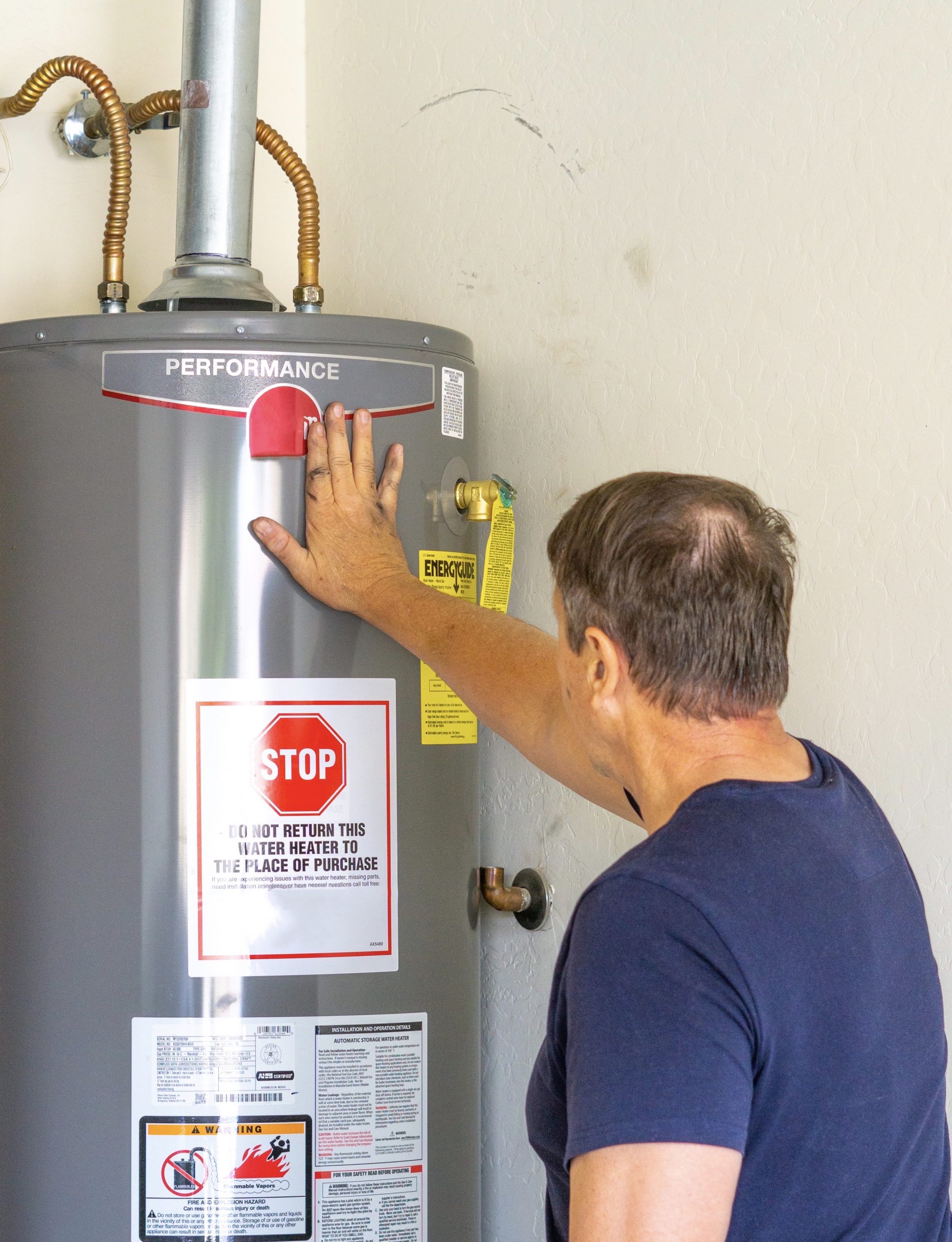
A changing hot-water pattern in a St. George home can be frustrating because it affects ordinary routines: showers, dishes, laundry, and cleanup. It can also be hard to describe after the fact. Rather than making adjustments to see what happens, record the pattern during normal use and arrange a professional assessment when it is recurring, disruptive, or paired with a safety concern.
Hot-water behavior can involve household demand, fixture-level conditions, equipment settings, capacity, recovery characteristics, plumbing, and other system-specific factors. A blog cannot determine which one applies to a particular home. Do not remove covers, change internal settings, reset breakers, work on gas or electrical equipment, drain a tank, or modify a valve in an attempt to narrow it down.
Define what changed
Start with one plain-language sentence. Did hot water seem to run out sooner, return more slowly, fluctuate at one fixture, or feel different after a normal sequence of use? The goal is to describe the experience, not to identify a cause.
Then note when the pattern began. A concern that appeared yesterday may call for a different conversation than one that has gradually become more noticeable. Include whether it happens every day, only at a certain time, or only after several hot-water activities overlap. Keep the timing approximate; there is no need to run repeated tests.
The Department of Energy's water-heating guidance explains general water-heater concepts. It does not diagnose a St. George system or tell a homeowner which change to make. The record is valuable because it gives a professional the actual household pattern to evaluate.
Compare fixtures without taking anything apart
One useful observation is whether the concern appears throughout the home or at one point of use. During ordinary use, note the fixture involved and whether other fixtures seemed normal. A shower concern and a whole-home hot-water concern are different descriptions, even if they occur on the same day.
Do not disassemble a shower valve, remove parts to test a faucet, or change a mixing component. Fixture-level equipment has its own installation and safety considerations. The comparison is only a way to preserve the pattern for the service conversation.
For example, note whether the issue occurred after a shower, after simultaneous hot-water use, or when a fixture was used by itself. Do not conclude that household demand, the fixture, or the water heater is responsible. Those are evaluation categories, not answers from a symptom.
Make a short normal-use timeline
A simple timeline for two or three normal-use periods is usually enough. It should take less than a minute to write down each entry. Record what happened, not what you think it means.
- Approximate date and time
- Fixtures or household activities using hot water
- Whether the concern was whole-home or limited to one fixture
- Whether the hot-water experience returned to normal later
- Any visible moisture, unusual sound, or odor noticed from a safe position
- Recent plumbing, appliance, occupancy, or routine changes
If the behavior is intermittent, include that. An intermittent pattern is still useful information. Do not try to force it to happen by running water repeatedly or changing a thermostat setting. Normal observations protect both the household and the integrity of the service record.
Keep temperature and safety in perspective
Temperature settings can affect a household's hot-water experience, but blind adjustments can create scalding risk or obscure the original concern. The appropriate setting depends on the equipment, occupants, plumbing, manufacturer guidance, and the actual condition found during service. A general article cannot supply a property-specific setting.
Leave equipment controls alone unless a qualified professional provides direct instructions for the property. The same caution applies to gas equipment, electrical panels, relief valves, and concealed components. A repeated breaker trip, burning smell, gas odor, or water near electrical equipment moves the concern out of routine observation and into a safety-first situation.
If an area is wet or unsafe, do not photograph it closely, move equipment, or reach for a label. Step away and explain the condition when requesting help. The important decision is protecting people, not completing a perfect log.
Collect safe reference information
If visible without removing panels or moving the unit, record the water heater's model, serial number, fuel type, and capacity. Also gather any existing manual, invoice, or service record stored elsewhere. These details can help a service visit begin efficiently, but they are not required before asking for assistance.
It can be helpful to note where the equipment is located and whether access is limited by a closet, garage storage, stairs, or a locked area. Do not change the installation to improve access. A professional can determine what access is needed after hearing the concern.
Keep this information with the timeline. A note on a phone or a piece of paper is enough. The record should be easy to share, not elaborate enough to become a project.
Avoid turning a pattern into a repair plan
The internet often presents hot-water symptoms as a short route to a particular repair. That approach misses the differences among water heaters, plumbing layouts, household demand, and installation conditions. A hot-water pattern may be important without proving a component failure, an equipment size issue, or a replacement decision.
Avoid these shortcuts:
- Do not change settings to chase a more comfortable result.
- Do not flush or drain a tank based on a symptom alone.
- Do not remove a cover or test electrical components.
- Do not adjust gas equipment or relight it.
- Do not cap, plug, or alter a relief valve.
Each action can introduce risk and make the original condition harder to assess. The safer choice is to preserve observations and seek a property-specific review.
When to call for water-heater service in St. George
Contact St George Water Heaters when the changing pattern is recurring, interferes with normal use, follows a noticeable change in the system, or is accompanied by visible water, unusual odor, repeated electrical concerns, or another safety issue. Explain the timeline and what was safely observed. The service team can evaluate the system and related conditions in context.
For editorial review, this article may support a relative link to <a href="/services/water-heaters/">St. George water-heater service</a> once the destination has been verified in the current CMS. The link should not be published if the page is unavailable or redirects.
The point of tracking a changing hot-water pattern is not to solve it remotely. It is to replace guesswork with a clear account of normal use, protect the safety boundary, and give the professional a better starting point.
Preserve the first pattern as well as later changes
If the concern seems better or worse before the assessment, keep both observations. The original note may show when the pattern began, while the later note can show whether it changed under normal use. Do not erase the first entry because the condition is intermittent. A technician can decide whether the timing, fixtures, or household demand pattern is relevant after evaluating the property.
Keep the record brief enough to use. A date, fixture, ordinary activity, and short description are sufficient. The goal is not constant monitoring or a technical log. It is a reliable handoff that lets St George Water Heaters begin with the household's actual experience while equipment controls and safety components remain untouched.