



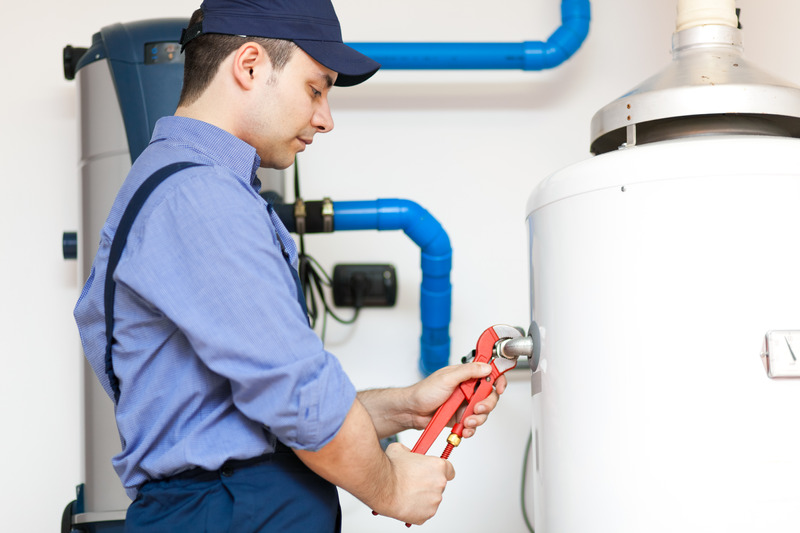
A water heater making noise in St. George can be unsettling, especially when the sound is new or seems tied to hot-water use. The useful first step is not to guess at a repair. It is to make a short, safe record of what changed so a qualified professional can assess the actual equipment and property.
New sounds can have several possible categories behind them, including water movement, components, installation conditions, or other system-specific factors. A sound alone does not identify the cause or tell a homeowner whether a repair or replacement is needed. Do not open the unit, remove a cover, drain a tank, alter a valve, perform gas or electrical work, or repeatedly reset anything to test a theory.
Begin with the safety boundary
Observe only from a safe, dry position. If there is a gas odor, smoke, a burning smell, water near electrical equipment, or any condition that makes the area unsafe, stop trying to gather information. Keep people away from the area and use the appropriate emergency or professional help.
The Consumer Product Safety Commission's electrical safety guidance is a useful reminder that water and electrical equipment require caution. It is not a diagnostic guide for a particular water heater. The same principle applies to gas-fired equipment: a general article cannot establish that a sound is routine or safe.
For a non-urgent concern, do not try to make the sound happen again. Let normal household use provide the observation. A quick note from an ordinary shower, laundry cycle, or dishwashing period is more useful than repeated testing that could create additional risk or confusion.
Describe the sound without naming a fault
Use plain language. Was the sound a hum, click, pop, hiss, rattle, vibration, or something else? Was it brief or continuous? Did it begin when hot water was used, after hot water use, or at another time? Those descriptions give a service conversation a starting point without turning an observation into a conclusion.
It also helps to say where the sound seemed to come from. For example, a homeowner might hear it at the water-heater area, near a nearby pipe, or through a wall. Avoid moving equipment, touching hot surfaces, or reaching into tight spaces to make that location more exact. A general area is enough for the initial call.
Do not assume that a familiar online label explains the sound. Technical terms are often used loosely, and a property can have more than one condition at the same time. St George Water Heaters can compare the record with the actual water-heater system rather than relying on a remote label.
Note the timing and hot-water pattern
Timing often matters more than volume. Write down the approximate date the sound was first noticed and whether it is becoming more frequent, less frequent, or unchanged. Include what hot-water activity was underway when it occurred. Note whether it affected one fixture or followed use across several fixtures.
Keep the record factual:
- The time of day and the type of normal hot-water use
- Whether the sound was brief, intermittent, or ongoing
- Which rooms or fixtures were in use
- Any visible moisture, odor, or change in hot-water availability
- Recent plumbing, appliance, or household-use changes
This is not a homeowner diagnostic checklist. It helps separate what was observed from what remains unknown. A technician may use the timeline to decide what questions to ask and where an on-site evaluation should begin.
Gather only safely visible equipment details
If a model label is already visible and accessible, record the model, serial number, fuel type, and capacity. Do not remove a panel, pull equipment away from a wall, reach behind it, or access a concealed electrical label. An incomplete record collected safely is better than a complete record collected by taking a risk.
The U.S. Department of Energy provides general water-heating information that can help households understand water-heater categories. It cannot determine the condition of a specific St. George installation. Manufacturer paperwork or a prior service invoice may also be useful, but only share documents you already have; do not disassemble anything to find them.
If the location is clear, note whether the unit is in a utility room, garage, closet, or another accessible area. That is a planning detail, not an invitation to clear vents, move pipes, or alter the installation. Make the area reasonably accessible only if it can be done without touching the equipment.
Avoid common attempts to "check" the problem
New water-heater sounds often make people want to flush a tank, change a setting, reset a breaker, relight equipment, or manipulate a valve. Those actions can create safety issues or erase useful evidence. They can also make the eventual assessment harder because the system is no longer in the condition that prompted the call.
Avoid these actions unless a qualified professional gives property-specific instructions:
- Opening access panels or touching internal components
- Resetting a breaker repeatedly or changing electrical connections
- Adjusting gas equipment or attempting to relight it
- Draining the tank or changing temperature settings
- Capping, plugging, or modifying a relief valve
A relief valve is a safety component, not a noise-control device. Likewise, a drain pan can limit some water damage but does not identify or repair a source of water. Preserve the observation and let the appropriate assessment determine the next step.
Prepare a clear call for water-heater service
When you contact St George Water Heaters, lead with the safety facts and the timeline. Explain the sound in plain language, say when it appears, identify the fixtures or rooms involved, and mention any visible moisture or unusual odor. If safely visible, have the model information available. If the sound is intermittent, say so rather than trying to recreate it.
You can also ask what information would be most helpful before the visit and what should remain untouched. This creates a better handoff than asking for a remote conclusion from a single sound. It also keeps decisions tied to the specific water-heater system, installation, and household use.
A measured next step in St. George
A water heater making noise in St. George deserves attention when it is new, recurring, changing, paired with a hot-water concern, or accompanied by a safety issue. St George Water Heaters can review the actual condition and explain the appropriate options. For broader service context, editorial review may link this post to the supported <a href="/services/water-heaters/">water-heater service page</a> after confirming that destination in the live CMS.
Until then, keep the record simple, avoid unsafe experimentation, and prioritize immediate safety concerns over gathering more details. A factual observation log is useful; a general article is not a substitute for evaluating installed equipment.
Keep the observation useful after the first call
If the sound changes after you arrange service, add a new dated entry rather than deleting the first one. Note whether it became more frequent, occurred at a different point in normal household use, or was no longer noticed. Do not use a change in the pattern as a reason to try a setting, reset, or adjustment. The difference between what was first observed and what happened later can help a technician ask better questions.
Keep any safely taken photo, accessible label detail, and prior service paperwork with the same note. If another person in the home hears the sound, add their time and description in plain language. A shared timeline is more useful than separate guesses. It also keeps the record focused on what happened rather than on a component name or repair conclusion that has not been verified.