



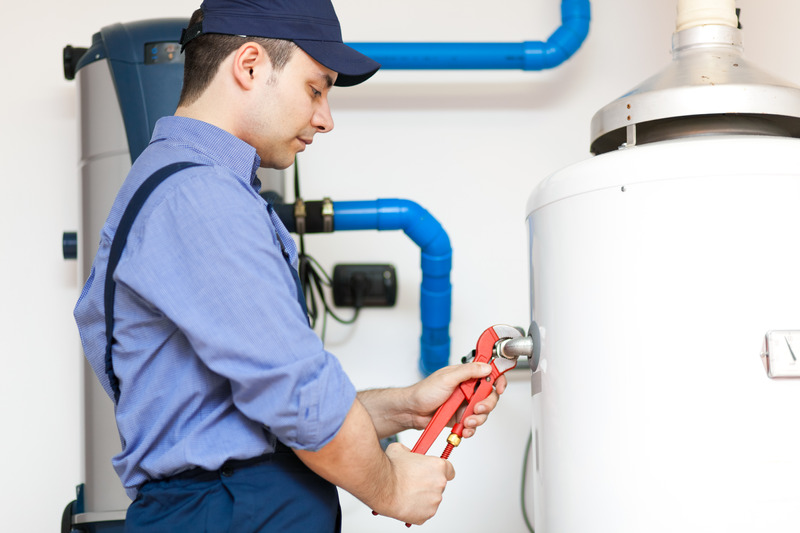
When a water-heater concern interrupts a household routine, it is tempting to begin with a repair question: "What part is wrong?" A safer and more useful first question is, "What can I share without touching the equipment?" This water heater call checklist for St. George homes helps you prepare a clear service request while leaving diagnosis, adjustments, and repair decisions to a qualified professional.
The checklist is intentionally limited. It does not ask you to open a panel, change a setting, relight equipment, reset a breaker, drain a tank, or test a valve. Water heaters can involve hot water, pressure, fuel, electrical components, and location-specific installation conditions. A short factual record is enough to start the right conversation.
First, decide whether the situation is safe to observe
Before gathering details, look for immediate safety boundaries. If there is a gas odor, smoke, burning smell, water near electrical equipment, active water spread, or another condition that makes the area unsafe, do not continue the checklist. Step away and use appropriate emergency or professional help.
The CPSC's electrical safety guidance reinforces the need for caution around electrical equipment and moisture. It cannot evaluate a particular St. George water heater, but it supports a simple rule: do not approach a wet electrical area to obtain a model number, take a better photo, or verify a sound.
For a routine concern, stay in a dry, accessible position. Observe only what is already visible. If the system is behind a panel, in a tight space, or blocked by stored items, report that rather than trying to create access yourself.
Write down the reason for the call
Describe the problem in the words you would naturally use at home. Did hot water seem inconsistent? Did it take longer to return? Was there a new sound, visible moisture, or an unfamiliar odor? Did the change happen once or keep returning?
Add a brief timeline:
- When the condition was first noticed
- Whether it happens during normal hot-water use or at another time
- Which fixtures or rooms appear involved
- Whether the concern seems whole-home or limited to one fixture
- Any recent changes in household routine, plumbing work, or appliance use
Do not add a conclusion such as "the heating element failed" or "the tank is finished." Those are not observations. A professional needs the real pattern before deciding which conditions should be evaluated.
Gather visible equipment details only
If a label can be read without moving equipment, removing a cover, or reaching into a concealed area, record the model number, serial number, fuel type, and capacity. Take a photo only from a safe position. If the information is not accessible, leave it for the service visit.
The Department of Energy offers general water-heating guidance that describes water-heating systems broadly. It is useful context, not a repair manual for a specific home. Do not use a label, age, or equipment type to make a replacement decision from this article.
If available, gather past invoices, manuals, or warranty documents from a normal storage location. These can provide context about prior work. Do not delay a needed call because records are missing; current symptoms and safety concerns take priority.
Note what you can see and hear safely
The call is easier when the service team understands the visible conditions. Record whether you noticed moisture on a nearby floor, a changed hot-water pattern, a sound, a smell, or a condition at a particular fixture. Keep the description simple and avoid touching anything to get more detail.
For sounds, use words such as hum, click, pop, hiss, or rattle. Note when the sound occurred and whether it was brief or ongoing. For water, say where it was visible and whether it seemed active or unchanged. For hot-water changes, note the normal-use sequence without trying to reproduce it repeatedly.
If no unusual condition is visible now, say that too. Intermittent concerns are still worth documenting. The goal is an honest record, not proof of a particular fault.
Protect the equipment from unhelpful tests
A good checklist includes what not to do. Avoid attempting common internet fixes while waiting for a professional:
- Do not open access panels or touch wiring.
- Do not reset breakers repeatedly.
- Do not change gas controls or attempt to relight gas equipment.
- Do not drain, flush, or open the tank to investigate a symptom.
- Do not adjust temperature settings without direct property-specific advice.
- Do not cap, plug, or modify a relief valve.
These actions can create risk, affect scalding protection, or change the condition a technician needs to inspect. A drain pan may limit some water damage, but it does not diagnose or repair an active leak. A general checklist should never be treated as permission to make equipment changes.
Make access information part of the request
Tell the service team where the water heater is located: a garage, utility room, closet, basement, or another area. Mention practical constraints such as stairs, pets, a gate, a narrow doorway, or stored items near the route. If it is safe, clear a basic path of loose household items. Do not move equipment, alter piping, or remove installed materials.
This information helps St George Water Heaters prepare for the actual appointment. It also saves the household from trying to solve access issues that may need professional handling. A concise note is enough.
Ask the right questions during the call
When you call, ask what information is helpful, what should remain untouched, and what the next step will involve. If the professional recommends an assessment, ask what observations or documents to have ready. If the concern is urgent, lead with the safety issue before describing routine symptoms.
You do not need to ask for a remote repair decision. The value of the call is connecting the observed condition with the right on-site evaluation. Water-heater recommendations should be tied to the equipment, installation, access, and conditions at the property.
A practical next step for St. George homes
This water heater call checklist for St. George is designed to keep a service request clear and safe. St George Water Heaters can review the actual condition and explain appropriate options. After editorial verification, this article may link to the supported <a href="/services/water-heaters/">water-heater service page</a> if that destination is live and current.
Until then, preserve the facts, do not experiment with equipment, and prioritize immediate hazards. A clear record makes the conversation more productive; it does not replace a professional assessment.
Keep the call notes available for follow-up
After the initial call, save the date, the concern described, and any instructions about what should remain untouched. If the pattern changes, add the new observation in the same note. This makes it easier to explain whether the condition is recurring, changing, or no longer visible without relying on memory.
Do not use a follow-up note as a reason to inspect components that were not safely visible before. The record should remain limited to normal-use observations, accessible information, and practical access details. When the assessment takes place, that modest file gives the service team useful context while leaving the technical evaluation where it belongs.